Source slow release soybean meal for Poultry Livestock Aquatic
Compare 20 listings for slow release soybean meal sourced from Shandong and Jining, China. Buyers can review protein levels, packing options, and certifications like ISO for feed additives used in poultry, livestock, and aquatic animals.
Key considerations
Products List


Comprehensive Sourcing Guide
Strategic Sourcing Guide for Slow Release Soybean Meal in B2B Markets
The global demand for high-quality protein sources in animal nutrition has driven significant interest in specialized soybean meal variants, including those designed for slow-release characteristics. For procurement professionals navigating this complex market, understanding the distinction between standard soybean meal and specialized formulations is critical. The core keyword "slow release soybean meal" often refers to processed soy products, such as fermented soybean meal, where enzymatic or thermal treatments modify protein digestibility and nutrient release profiles. This guide synthesizes available market data to assist buyers in evaluating suppliers, verifying technical specifications, and establishing robust procurement strategies without relying on unverified claims.
Technical Specifications and Product Variants
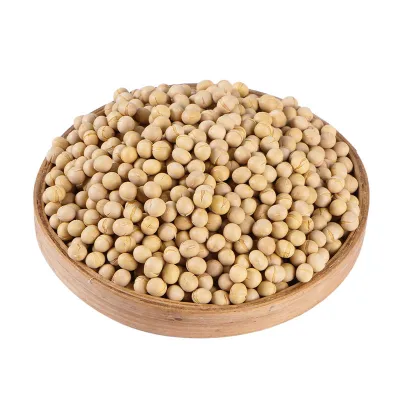
When sourcing soybean meal, buyers must first distinguish between the raw commodity and value-added processed forms. The market data indicates a diverse range of product models, including standard Soybean Meal, Soyabean Meal, and specifically Fermented Soybean Meal. These variants differ significantly in their chemical composition and physical properties. Standard soybean meal is typically characterized by a protein content of a minimum of 46%, serving as a primary protein source for various livestock. In contrast, fermented soybean meal often presents as a light yellow or yellow-brown powder, with attributes described as "High Protein" and designed specifically as a feed additive to enhance nutrition.
The physical form of the product is another critical specification. While some listings describe the product as "Powder Feed" or "Power," others indicate granular or pellet forms depending on the processing method. The shape and appearance directly influence how the product integrates into existing feed formulations. For instance, a powder form may require different mixing equipment compared to a granular variant. The material source is consistently identified as Soybean, with the grade specified as Feed Grade. This ensures the product meets the basic safety and nutritional requirements for animal consumption.
Buyers should also note the existence of processing capacity models in the market, such as 100TPD, 400TPD, 500TPD, 600TPD, and 800TPD. These figures likely refer to the production capacity of the manufacturing facilities rather than the product itself, indicating the scale at which suppliers can operate. Understanding these capacity metrics helps buyers assess whether a supplier can meet large-scale volume requirements without compromising on the slow-release processing quality. The product is explicitly categorized under "Functional Feed" and "Feed Additives," highlighting its role beyond simple caloric provision.
Compliance, Certification, and Regulatory Standards
Navigating the regulatory landscape is essential for international procurement. The supply chain data highlights that products often carry ISO certification, a widely recognized standard for quality management systems. However, the presence of ISO certification alone does not guarantee specific nutritional profiles or safety standards for every batch. Buyers must verify that the supplier's ISO certification covers the specific manufacturing processes relevant to slow-release technology, such as fermentation or controlled heat treatment.
In addition to general quality certifications, specific product standards are listed, such as "first-class" or capacity-based standards like "800tpd." These designations often reflect internal quality grading or production line specifications rather than universally accepted international regulatory standards. For the "slow release" attribute, buyers should inquire about specific analytical standards that define the rate of protein hydrolysis or nutrient availability. While the provided data mentions "Feed Grade" and "High Protein," it does not explicitly list specific regulatory bodies like FDA or EFSA approvals for the slow-release mechanism. Therefore, procurement teams must request current test reports and compliance certificates from the supplier to ensure the product meets the destination country's import regulations.
The origin of the product is another compliance factor. Listings indicate origins in Shandong, China, and Jining, China. These regions are known for significant agricultural processing. Buyers should verify that the specific batch originates from a facility that adheres to local environmental and safety regulations, as these can impact the consistency of the "slow release" properties. Furthermore, the condition of the product is listed as "New," which is a standard expectation for fresh feed ingredients, but buyers should confirm that this refers to the manufacturing date and not the condition of used machinery.
Cost Drivers and Pricing Dynamics
The pricing landscape for soybean meal is highly volatile, influenced by global commodity markets, raw material costs, and processing complexity. The observed price range in the market spans from $0.40 to $7,350,000 USD. This extreme variance suggests that the data includes both raw bulk commodities and highly specialized, large-scale industrial machinery or complete production lines, rather than just the finished feed product. For actual soybean meal procurement, the price per ton will depend heavily on the protein content, the specific processing method used to achieve the slow-release effect, and the packaging requirements.
Processing costs are a primary driver for the price difference between standard soybean meal and fermented or slow-release variants. The fermentation process requires additional time, energy, and quality control measures, which naturally increases the unit cost. Additionally, the "Customization" and "OEM" availability noted in the data suggest that tailored formulations can command a premium. Buyers seeking specific nutrient release profiles may need to engage in custom development, which involves higher upfront costs and potentially longer lead times.
Packaging also impacts the final cost. Options range from 5kg and 25kg PP bags to 50kg bags, or even container and bulk cargo shipments. Bulk cargo is generally more cost-effective for large-scale operations but requires the buyer to have appropriate storage and handling infrastructure. The MOQ (Minimum Order Quantity) varies from 1 unit to 100 units, with specific listings showing an MOQ of 23 tons for certain high-grade fermented products. Buyers must align their order volume with the supplier's MOQ to avoid unnecessary cost penalties or supply chain disruptions.
Typical Applications and Animal Classification
The application of slow-release soybean meal is broad, targeting various sectors of the animal husbandry industry. The data explicitly lists the applied animal classifications as Poultry, Livestock, and Aquatic Animals. This versatility makes the product a valuable ingredient for mixed feed manufacturers and large-scale farms. The primary function is identified as a "Nutrition Enhancer" and a tool for "Keeping Health and Promoting Growth."
For poultry, slow-release protein sources can help reduce nitrogen excretion and improve feed conversion ratios by providing a steady supply of amino acids throughout the day. In livestock, such as swine and cattle, the controlled release of nutrients can support better gut health and reduce the incidence of digestive disorders associated with rapid protein fermentation in the rumen. For aquatic animals, the stability of the protein source is crucial, as it minimizes water pollution caused by undigested protein and supports sustained growth rates in high-density farming environments.
The product is also categorized under "Beans" and "Feed Additives," indicating its dual role as a primary ingredient and a functional supplement. Buyers should consider the specific dietary requirements of their target animals when selecting the product. For instance, a formulation optimized for aquatic animals may differ in particle size or binding agents compared to one designed for poultry. The "Type" attribute, described as "Keeping Health and Promoting Growth," reinforces the product's role in maintaining overall animal welfare rather than just providing basic caloric energy.
Supplier Evaluation and Production Capacity
Evaluating potential suppliers requires a deep dive into their production capabilities and operational history. The market data reveals several production models, including 100TPD, 400TPD, 500TPD, 600TPD, and 800TPD. These figures represent the daily processing capacity of the facilities. A supplier with an 800TPD capacity is likely capable of handling large, consistent orders, whereas a 100TPD facility might be better suited for smaller, specialized batches or custom orders.
Buyers should verify the supplier's location and logistics capabilities. Origins in Shandong and Jining suggest proximity to major soybean growing regions in China, which can reduce raw material transportation costs. However, international buyers must assess the supplier's experience with export logistics, including container shipping and bulk cargo handling. The availability of "Container" and "Bulk Cargo" options indicates flexibility in shipping methods, but buyers must confirm the supplier's ability to manage these logistics reliably.
The "Customized" and "OEM" attributes suggest that many suppliers are willing to adapt their products to meet specific buyer requirements. This is a significant advantage for buyers with unique formulation needs. However, customization introduces complexity in quality control. Buyers should establish clear communication channels and define the scope of customization in the contract, including who is responsible for the development costs and the timeline for product modification.
Quality Control and Long-Term Procurement Strategy
Maintaining consistent quality is paramount when sourcing specialized feed ingredients. The data mentions a shelf life of 24 months, which is a critical parameter for inventory management and supply chain planning. However, the actual shelf life can vary based on storage conditions, humidity, and packaging integrity. Buyers should implement strict quality control protocols upon receipt of goods, including testing for moisture content, protein levels, and microbial contamination.
The "first-class" standard mentioned in the data serves as a baseline for quality, but buyers should not rely solely on this designation. Instead, they should request third-party laboratory test results for each batch, specifically focusing on the slow-release characteristics. This may involve analyzing the rate of protein hydrolysis or the solubility of the meal. Establishing a long-term procurement strategy involves building a partnership with a supplier who can provide consistent test data and maintain quality over time.
Long-term considerations also include supply chain resilience. Relying on a single supplier or a single region can pose risks. Buyers should diversify their supplier base to mitigate potential disruptions caused by weather events, regulatory changes, or logistical issues. The availability of different packing options, from small 5kg bags to bulk cargo, allows for flexible inventory management, enabling buyers to adjust their stock levels based on demand fluctuations.
| Feature | Standard Soybean Meal | Fermented/Slow-Release Soybean Meal |
|---|---|---|
| Primary Form | Powder Feed / Granular | Light Yellow Powder / Yellow Brown |
| Protein Content | Min 46% | High Protein (Specific % varies) |
| Processing | Mechanical Extraction | Fermentation / Controlled Heat |
| Application | General Livestock Feed | Poultry, Livestock, Aquatic Animals |
| Function | Basic Protein Source | Nutrition Enhancer, Health Promoter |
| Packaging | 25kg/50kg PP Bags | 50kg Bag, Bulk Cargo |
| Shelf Life | Standard | Up to 24 Months |
In conclusion, sourcing slow-release soybean meal requires a meticulous approach that balances technical specifications, regulatory compliance, and cost efficiency. By leveraging the available data on product models, certifications, and applications, buyers can make informed decisions that support their operational goals. The key to success lies in rigorous supplier evaluation, clear quality control protocols, and a strategic approach to long-term procurement partnerships.
FAQs
What is the minimum protein content for slow release soybean meal?
The minimum protein content is 46 percent for standard soybean meal. Fermented variants offer high protein levels suitable for animal feed additives and nutrition enhancement.
Which certifications do suppliers typically hold for this product?
Suppliers often hold ISO certification for quality management systems. Buyers should verify that this certification covers specific manufacturing processes like fermentation or heat treatment.
How is the product packaged for shipment and storage?
Packaging options include 25kg, 50kg, or 5kg PP bags. Bulk cargo and container shipping are also available for large-scale industrial operations and feed manufacturers.
Can buyers request customized formulations for specific animals?
Yes, customization and OEM services are available for tailored formulations. Buyers can specify requirements for poultry, livestock, or aquatic animals to enhance growth and health.
What are the typical production capacities of these manufacturers?
Production capacities range from 100TPD to 800TPD daily output. Larger facilities can handle high-volume orders while smaller lines may support specialized or custom batches.
Where are the main production origins for this feed ingredient?
Primary origins include Shandong and Jining in China. These regions are known for significant agricultural processing and proximity to major soybean growing areas.
What is the shelf life of the fermented soybean meal?
The product has a shelf life of 24 months under proper storage conditions. Buyers must ensure packaging integrity to maintain quality and prevent moisture contamination.